What a Monthly Sprinkler Check Catches During the Season
A sprinkler system is out of sight, so a problem can run for weeks before anyone sees it.
October 14, 2026 · 4 min read
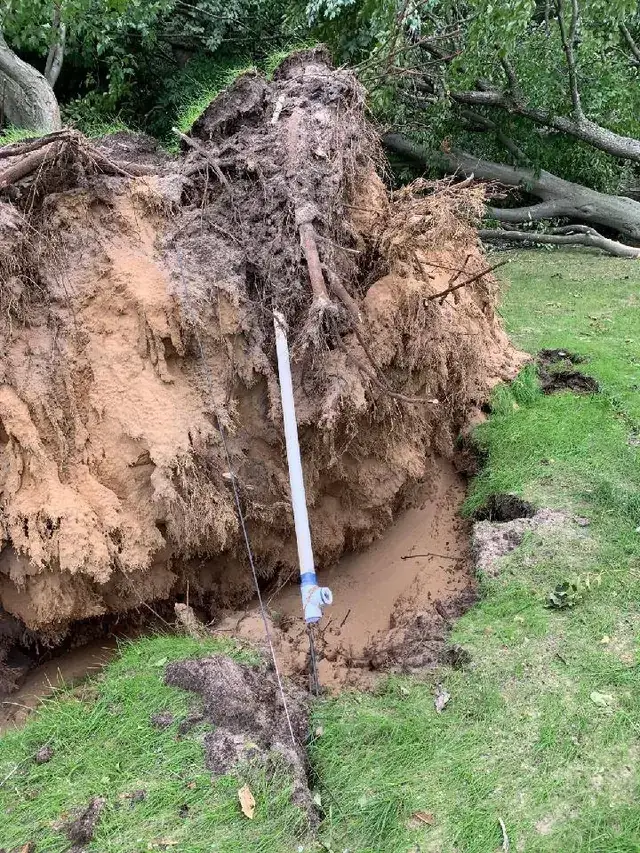
A sprinkler system is out of sight, which means a problem can run for weeks before anyone notices. A head knocked off by a mower, a zone that quit, a line a tree root pulled apart: none of these send you an alert. They show up later as a brown patch, a soaked bed or a bigger water bill.
A monthly check exists to find those problems while they're still small. Here is what one covers, and what it can save you from.
Why once a season isn't enough
A spring start-up tells you the system works on day one. It can't tell you what happens in June, July and August, when mowers, foot traffic, kids, dogs, roots and heat all take a turn. The growing season in Northern Michigan is short and busy, and a zone that quits for three weeks in midsummer can leave damage that takes the rest of the year to recover from.
Monthly visits break the season into short windows. Anything that goes wrong has roughly a month to cause trouble before someone is looking for it. That is a very different risk from finding out in the fall.
The usual finds
- Broken or clipped heads, often from a mower pass or a stray foot.
- Heads that sank or tilted as the soil settled, so they spray the sidewalk or the sky.
- Clogged nozzles, which show up as a thin, uneven pattern or no spray at all.
- A zone that won't start because of a failed valve solenoid or a wiring problem.
- A valve that sticks open and keeps a zone running.
- A controller whose schedule drifted, got reset after a power blip or no longer fits the weather.
Most of these are small repairs. The point of the monthly visit is that they stay small.
When a line gets pulled apart
The problem that surprises people most is a line damaged underground. Roots grow toward moisture, and a sprinkler line is a steady source of it. Over several seasons a root can wrap a pipe, press on a fitting or push a joint apart. Digging for a new planting, edging a bed or aerating the lawn can also catch a line.
You usually can't see the break itself. You see the symptoms: a wet patch that appears the day after a zone runs, a puddle at a low spot, heads at the end of a line spraying weakly or a stretch of lawn that is greener than its neighbors because it's getting extra water.
A technician following those clues can narrow down where to dig. Finding a split fitting early usually means a small hole instead of a long trench, and less lawn to repair afterward.
What the visit looks like
A monthly check isn't a full service call. It follows a pattern. The technician runs through the zones, watches the heads, looks in the valve boxes, checks the controller and adjusts run times if the weather has changed. Heads get straightened, nozzles get cleared and small issues get fixed on the spot.
Anything that needs more work gets explained and left for you to decide. You can help between visits too. Note any spot that looks odd and mention it. You walk your property every day and see things that a visit once a month won't.
A set-it-and-forget-it schedule wastes water in a wet June and starves the lawn in a dry August. Part of the monthly job is changing run times to fit the season, so each zone gets what the plants need instead of what the controller remembers. Turf that is watered deeply and less often tends to root deeper and hold up better in a dry spell.
Shaded beds, sunny slopes and sandy patches each want something different. If one zone is always soggy and another is always dry, the monthly visit is where that gets noticed and sorted out, with changes to timing, nozzles or head placement.
Signs to report between visits
- A spot of lawn that stays wet or squishy a day after watering.
- A zone that sounds different when it starts, like hammering or sputtering.
- A head that's spraying a different direction than it used to.
- Brown or yellow patches that line up with a zone's edges.
- A jump in your water use that you can't explain.
None of these needs to wait for the next scheduled visit. Calling when you notice one is what keeps a small repair small.
Monthly checks inside a seasonal program
Rainmaker Irrigation's seasonal maintenance program puts the monthly check between the spring start-up and the fall winterization. That sequence covers the whole year: the start-up gets the system running, the monthly visits keep it that way and the blow-out protects it through winter.
It suits a homeowner with one lawn and a manager with a lot of ground, such as a condominium complex, a commercial property or an athletic field, where a failed zone shows quickly and everyone sees it. Regular maintenance is what helps a system last. To set up a program, call (231) 348-5477. Estimates are free, and the office replies to contact-form requests by the next business day.
Rainmaker Irrigation, (231) 348-5477
Call (231) 348-5477More articles
Why Northern Michigan Sprinkler Systems Get Blown Out Every Fall
The fall blow-out is the one sprinkler visit you can't skip, and here is exactly why.
What a Spring Sprinkler Start-Up Checks Before the First Watering
The first watering of the season is when a system tells you what winter did to it.