What a Spring Sprinkler Start-Up Checks Before the First Watering
The first watering of the season is when a system tells you what winter did to it.
October 14, 2026 · 4 min read
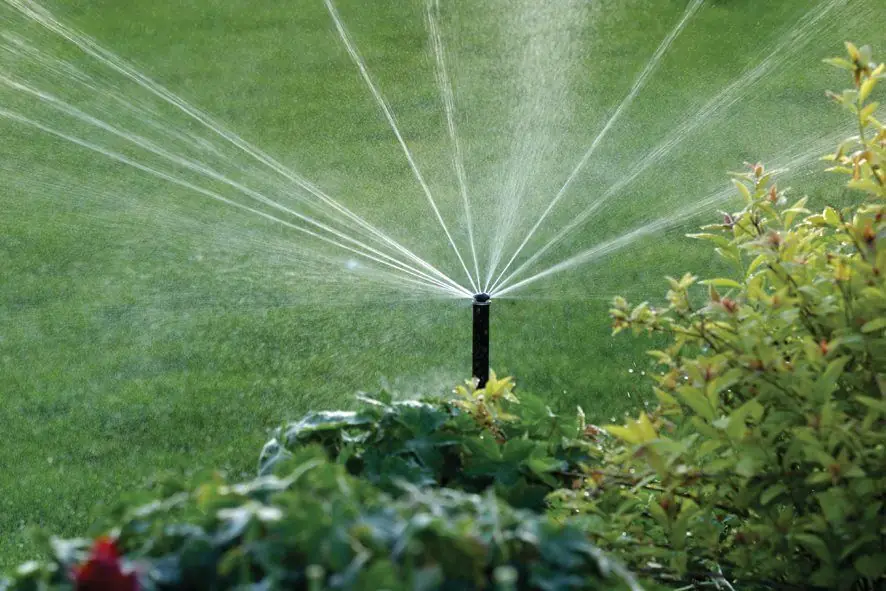
The first watering of the season is when a sprinkler system tells you what winter did to it. A start-up is the careful, controlled way to find out. Instead of flipping the water on and hoping, a technician brings the system up in stages and checks each part as it wakes.
Here is what a good spring start-up looks at, in roughly the order it happens, and why each step matters. It's a general walkthrough, handy when you're comparing providers or just curious what is going on at the valve box.
Starting with the controller
Before any water moves, the controller gets a look. Over a winter, batteries die, schedules get wiped by a power blip and a rain sensor can sit stuck or disconnected. The technician checks the clock and date, the run time for each zone and the backup battery if there is one.
A schedule left over from last summer rarely fits the start of the season. Spring lawns need less water than midsummer ones, cool nights slow evaporation and the ground is often still wet from snowmelt. A good start-up resets the program for the conditions at hand, not for July.
Bringing the water up slowly
The main supply valve opens slowly, not all at once. Pressurizing a system too fast sends a hammer through the pipe, and any weak spot left behind by winter can let go. Opening gradually lets the lines fill and push air out ahead of the water.
This is also where the backflow preventer gets attention. That's the device that keeps irrigation water from flowing back into the drinking supply. Its seals and fittings take the worst of winter, so the technician watches it fill and looks for drips or weeping around the body.
Running every zone, one at a time
Next, each zone runs by itself. This is the longest part of the visit and the most useful. The technician walks the yard and watches every head in the zone come up, spray and drop back down.
- Heads that don't pop up, or pop up and stick.
- Spray patterns that are broken, lopsided or throwing a stream instead of a fan.
- Heads that have tilted, sunk below the grass or been clipped by a mower or a plow blade.
- Wet spots that point to a leak in a line or a fitting.
- Zones that run weak, which can mean a partly closed valve, a clogged filter screen or a break farther down the line.
- Valves that stay open or won't open at all.
A head that worked fine all last summer can have a cracked riser or a damaged seal now. Those are small repairs when they're caught on the first day. Left alone, they run unnoticed for weeks, soak a bed or wash out a patch of lawn.
Looking at what changed in the yard
Yards change from one year to the next. Shrubs fill in and block spray, new beds appear, a tree casts shade where there used to be sun and grass grows up over heads. The start-up is the moment to adjust arcs and angles, trim turf back from heads and note anything that no longer matches the layout.
If a zone waters pavement, a wall or a window, say so. Most of those problems have simple fixes: a nozzle swap, a new arc, a head moved a few inches. If the change is bigger, like a new patio or an added bed, that's a conversation about re-designing part of the system, and the start-up visit is a good time to raise it.
The finishing details
- Filter screens cleaned or replaced where they clog.
- Valve boxes opened, cleared of debris and checked for pooled water.
- A rain sensor or other add-on tested for response.
- The program saved, with the run times written down for you.
Then comes the report. You should leave the visit knowing which zones are running, which have issues and what the technician recommends. If a repair is needed, you should get an explanation you can follow before anything gets done.
A little preparation makes the start-up go faster. Clear leaves, mulch and stored items away from valve boxes and the backflow device. Make sure the technician can reach the controller. If you've planted, built or dug anything since last season, write it down so it gets looked at.
If you noticed trouble last fall, like a zone that was weak or a head that kept sticking, mention it. A technician who knows where to look can find a root cause faster than one starting from scratch, and the fix is often quick once the cause is known.
Why the start-up belongs in a program
Rainmaker Irrigation's seasonal maintenance program begins with this visit: a start-up in spring, monthly checks through the season and a winterization in the fall. The company has been locally owned and operated out of Howard Road in Petoskey since 1987. The reason for a program is simple. Each visit catches what the last one couldn't, and a cracked head found in the spring beats a brown patch found in the summer.
To schedule a start-up or ask about a seasonal program in Petoskey, Harbor Springs, Charlevoix, Boyne City and the surrounding communities, call (231) 348-5477. Estimates are free.
Rainmaker Irrigation, (231) 348-5477
Call (231) 348-5477More articles
Why Northern Michigan Sprinkler Systems Get Blown Out Every Fall
The fall blow-out is the one sprinkler visit you can't skip, and here is exactly why.
What a Monthly Sprinkler Check Catches During the Season
A sprinkler system is out of sight, so a problem can run for weeks before anyone sees it.